
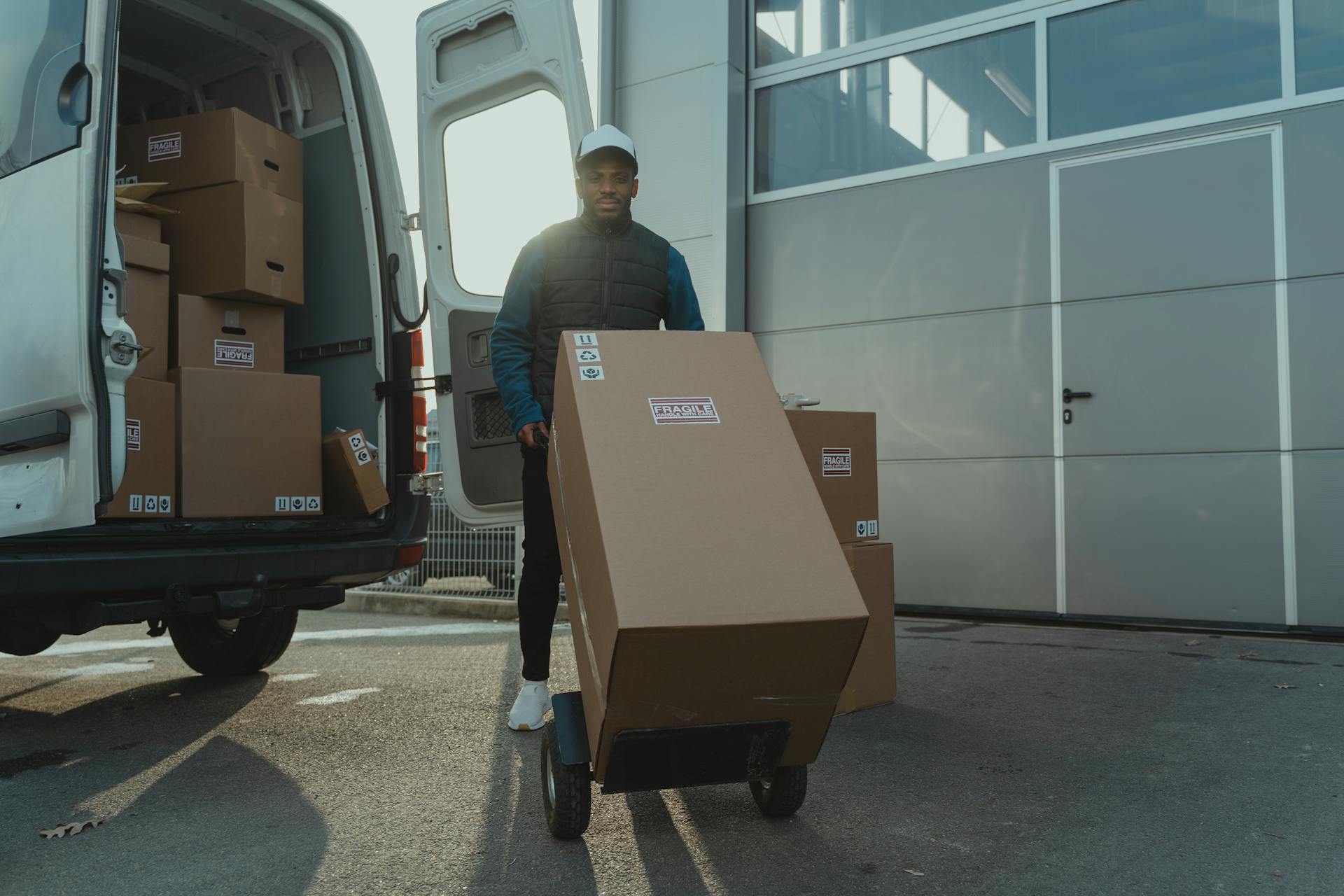
The Rise of E-Commerce in India
India’s e-commerce industry is booming, with giants like Flipkart, Amazon, and Reliance Digital leading the charge and thousands of SMEs and startups riding the wave. By 2030, India is expected to be one of the top three global e-commerce markets. But behind every click-to-cart experience lies one critical factor: last-mile delivery.
Last-mile delivery – the final step of transporting a product from a distribution hub to the customer’s doorstep – is where businesses win or lose customer trust. In a competitive Indian market where speed, convenience, and reliability matter most, last-mile delivery has become the real game-changer.
What is Last-Mile Delivery?
Last-mile delivery refers to the last leg of the logistics chain – the point where goods are delivered directly to the customer. In India, this often means navigating narrow lanes, unpredictable traffic, and diverse urban and rural geographies.
For e-commerce businesses, last-mile delivery is more than logistics. It is a customer experience driver. A delayed, damaged, or missed delivery can lead to cart abandonment, negative reviews, and lost business. On the other hand, fast and reliable delivery builds trust and customer loyalty.
Why Last-Mile Delivery Matters in India
1. Customer Expectations Have Changed
Indian consumers expect same-day or next-day delivery, especially in metro cities. Platforms that cannot meet these expectations risk losing customers to faster competitors.
2. Urban Challenges Demand Smarter Solutions
Congested traffic in Delhi, parking restrictions in Mumbai, and delivery restrictions in gated communities across Bengaluru all complicate last-mile logistics. Without innovative routing and scheduling, delays are inevitable.
3. Rural Access is Expanding
Over 60% of India’s population lives in rural areas. Expanding e-commerce to these regions depends on strong last-mile networks that can cover small towns and villages.
4. High Competition in E-Commerce
Price wars alone don’t win customers anymore. Reliable delivery has become a key differentiator, and startups that focus on speed and efficiency often gain market share quickly.
How Last-Mile Delivery Drives E-Commerce Growth
Last-mile delivery isn’t just an operational necessity – it’s a growth engine. Here’s how it transforms businesses:
Boosts Customer Satisfaction: On-time deliveries increase repeat orders and brand loyalty.
Reduces Cart Abandonment: Customers are more likely to buy when fast delivery options are available.
Supports COD (Cash on Delivery): Still popular in India, COD requires reliable doorstep delivery.
Enhances Market Reach: Strong delivery networks help e-commerce brands expand into Tier 2 and Tier 3 cities.
Drives Trust in New Brands: For small businesses and D2C startups, reliable delivery builds credibility against established players.
Real-World Example
A Pune-based D2C fashion brand noticed 30% cart abandonment because deliveries to Tier 2 cities took 7–10 days. After partnering with a logistics provider offering same-week last-mile delivery, their conversion rate improved by 20% and repeat purchases doubled within three months.
Challenges of Last-Mile Delivery in India
Traffic & Infrastructure: Poor road networks and urban congestion cause delays.
High Costs: Last-mile delivery can account for up to 40% of logistics expenses.
Failed Deliveries: Customers may not be home, leading to reattempts and added costs.
COD Risks: Handling cash securely adds complexity to the process.
Environmental Impact: Increased deliveries contribute to carbon emissions unless eco-friendly vehicles are used.
Solutions That Are Shaping the Future
Technology Integration: Real-time tracking, AI-based routing, and automated dispatch systems are reducing inefficiencies.
Micro Warehousing: Small fulfilment centres closer to customers help enable same-day delivery.
Green Logistics: Electric vehicles and bicycles are being used to reduce costs and emissions.
Flexible Delivery Slots: Giving customers the option to choose delivery windows reduces failed deliveries.
Partnering with Specialists: Logistics partners like Movestro provide end-to-end delivery solutions, ensuring businesses focus on growth while experts manage the complexity of logistics.
FAQs on Last-Mile Delivery in India
1. Why is last-mile delivery so expensive?
Because it involves individual drop-offs, labour costs, and fuel expenses. Optimised routing and bulk deliveries can reduce costs.
2. Can small e-commerce businesses access reliable last-mile delivery?
Yes. Many logistics providers now offer scalable services for SMEs and startups, not just large e-commerce giants.
3. How important is last-mile delivery for COD orders?
Very important. Since a majority of Indian shoppers still prefer COD, timely and accurate delivery is crucial for cash collection.
4. Is same-day delivery realistic in India?
Yes, in metro cities with strong logistics networks and micro-warehousing. For Tier 2 and Tier 3 cities, next-day or two-day delivery is more practical.
5. What role does technology play in last-mile delivery?
Technology enables real-time tracking, efficient routing, and customer communication, making deliveries faster and more reliable.
Final Thoughts
In India’s fast-growing e-commerce landscape, last-mile delivery is no longer optional – it’s a competitive necessity. Businesses that master it will not only satisfy customers but also expand into new markets and scale faster.
👉 Movestro helps e-commerce brands, startups, and enterprises with reliable last-mile delivery solutions across India. Get in touch today to see how we can move your business forward.